


One of the biggest challenges in photography projects does not happen during the shoot.
It happens after the photos are delivered for review.
Clients ask for changes. Team members share different opinions. Feedback comes through email, WhatsApp, spreadsheets, PDFs, and voice notes. Revision rounds increase, deadlines move, and everyone becomes frustrated.
For many photographers, agencies, and creative teams, the issue is not the quality of the photos.
The issue is unclear collaboration.
This is why getting clear photo feedback is one of the most important parts of a successful photography workflow.
Why Endless Revisions Happen
Most endless revision cycles are not caused by difficult clients.
They happen because feedback systems are unclear.
A typical project may look like this:
The photographer sends a gallery link or file folder
The client replies by email with general comments
Another stakeholder sends separate feedback by message
A marketing manager joins later with new requests
Different people reference different image versions
Final approvals are delayed
What should be a simple review process becomes disorganized very quickly.
When feedback is scattered across multiple platforms, mistakes happen easily.
Common Photo Feedback Problems
Many teams still rely on outdated methods for reviewing images.
This creates issues such as:
Vague comments like “Can you make this better?”
No clear indication of which image needs changes
Multiple people giving conflicting instructions
Missed deadlines due to delayed approvals
Re-editing images because requests were misunderstood
Endless back-and-forth communication
Even talented photographers can lose time and momentum when the review process is broken.
Why Clear Feedback Matters
Clear feedback saves time, protects creative energy, and improves client relationships.
When photographers receive direct and organized comments, they can focus on making real improvements instead of guessing what clients mean.
Clients also benefit because they feel heard, involved, and confident during the project.
The faster feedback becomes clear, the faster final images can be delivered.
This creates a smoother experience for everyone.
What Better Client Collaboration Looks Like
Modern client collaboration should happen in one shared space where everyone can review images together.
Instead of sending notes through different channels, clients should be able to:
Select favorite images
Approve final picks
Leave comments directly on photos
Mark specific areas for retouching
Track updates and revisions
Keep all feedback in one thread
This removes confusion and creates accountability.
Everyone can see what was requested, what has changed, and what is still pending.
Use Comments Directly on Images
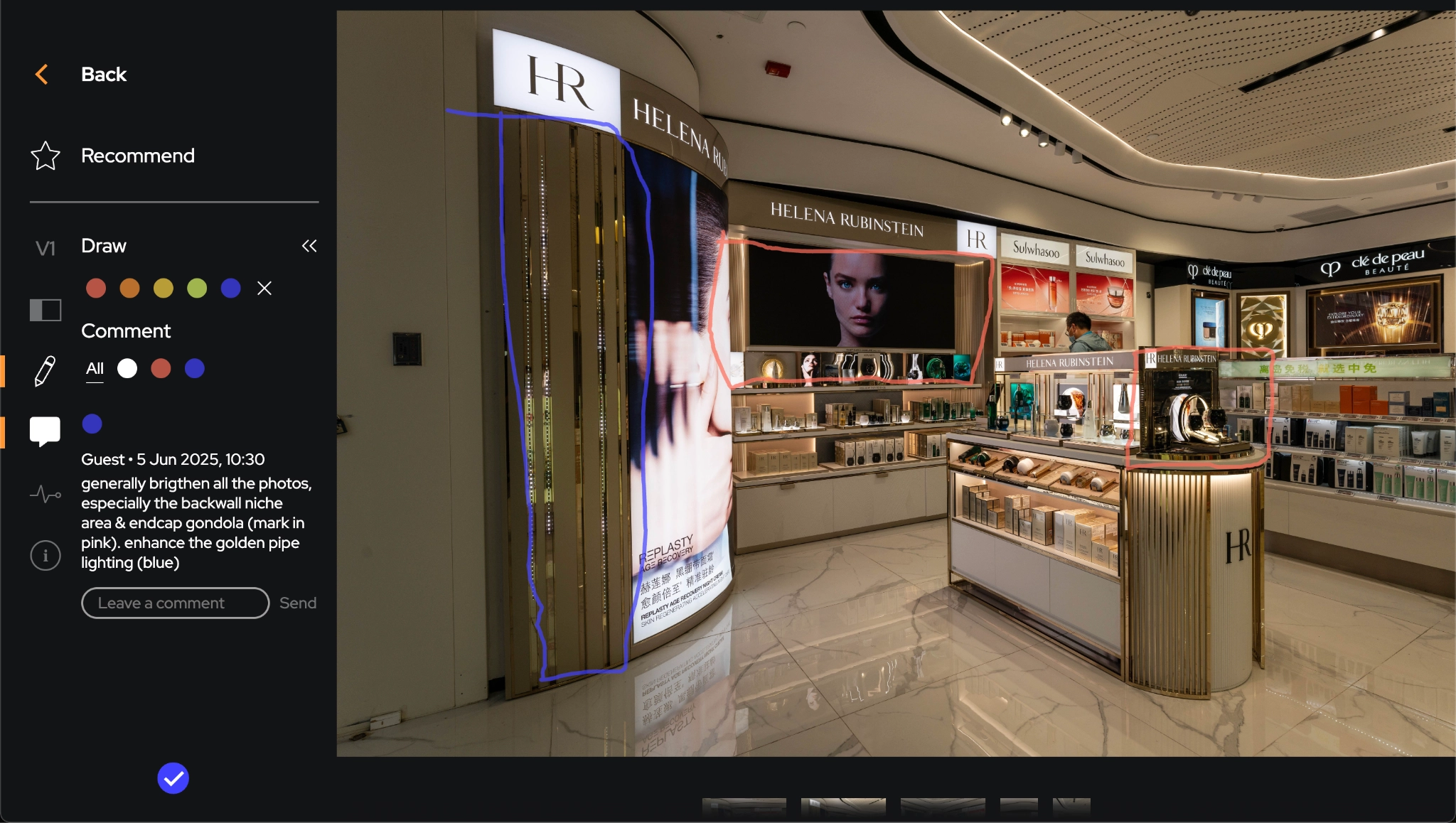
One of the easiest ways to improve collaboration is by allowing comments directly on each image.
Instead of saying:
“Please fix the second image from yesterday’s folder.”
Clients can simply comment on the exact image.
Examples:
“Please brighten this photo.”
“Can we remove the reflection here?”
“Use this version for social media.”
“We prefer this image as the hero shot.”
This makes feedback specific, actionable, and easy to understand.
Markup Tools Reduce Miscommunication
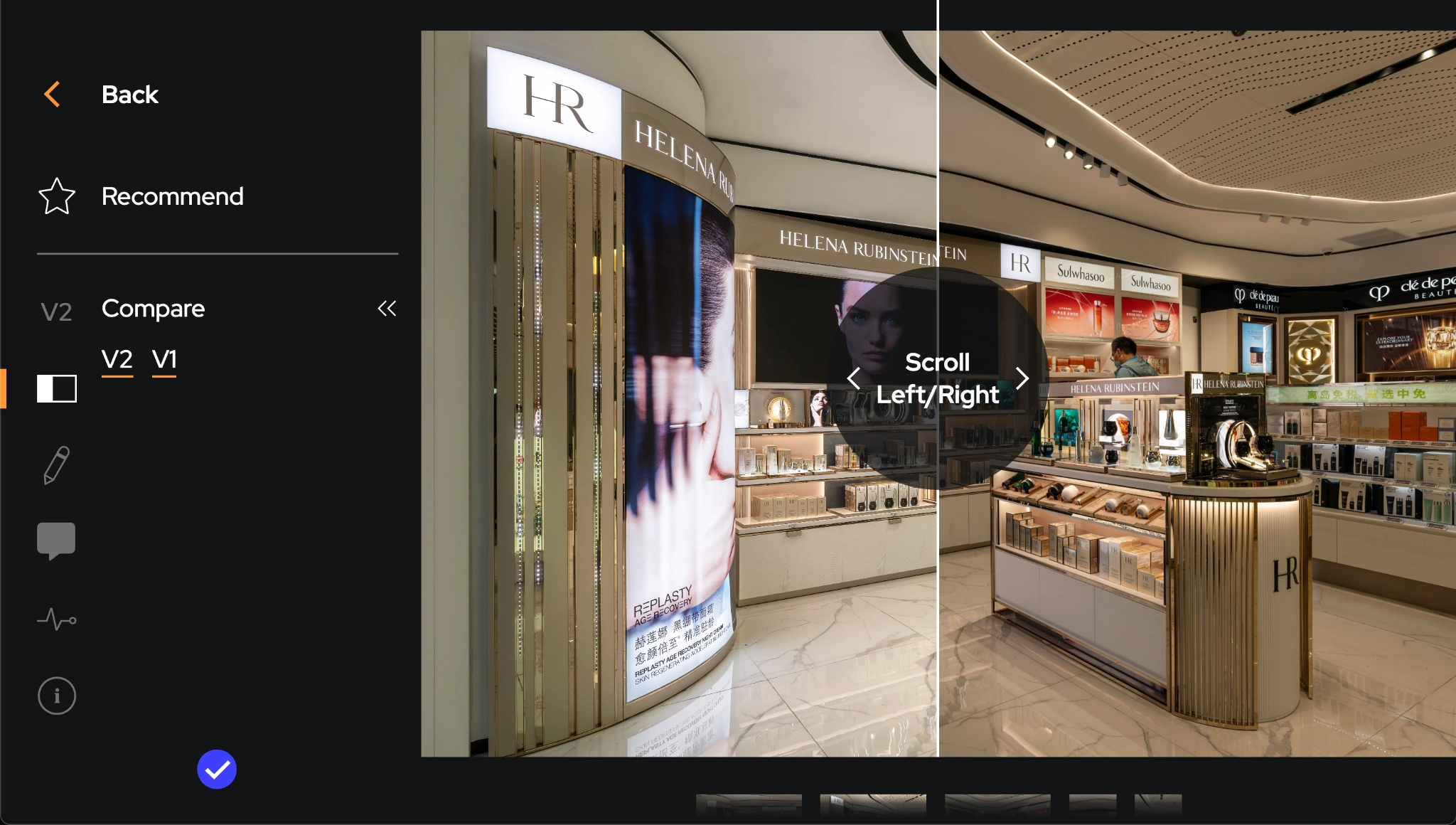
Sometimes words are not enough.
Visual markup tools allow clients to draw or highlight areas directly on the photo.
This is especially useful for:
Retouching requests
Product photography
Fashion campaigns
Commercial shoots
Brand assets with multiple approvals
Instead of long explanations, clients can point directly to what needs attention.
This reduces revision rounds significantly.
Why Multiple Stakeholders Need Structure
Today, photography projects often involve more than one decision-maker.
A single campaign may include:
Photographer
Brand manager
Marketing team
Creative agency
Social media manager
Founder or executive approver
Without structure, too many voices can slow down the project.
A shared collaboration system helps teams gather all opinions in one place and move toward final approval faster.
How Gump Helps Teams Get Clearer Feedback
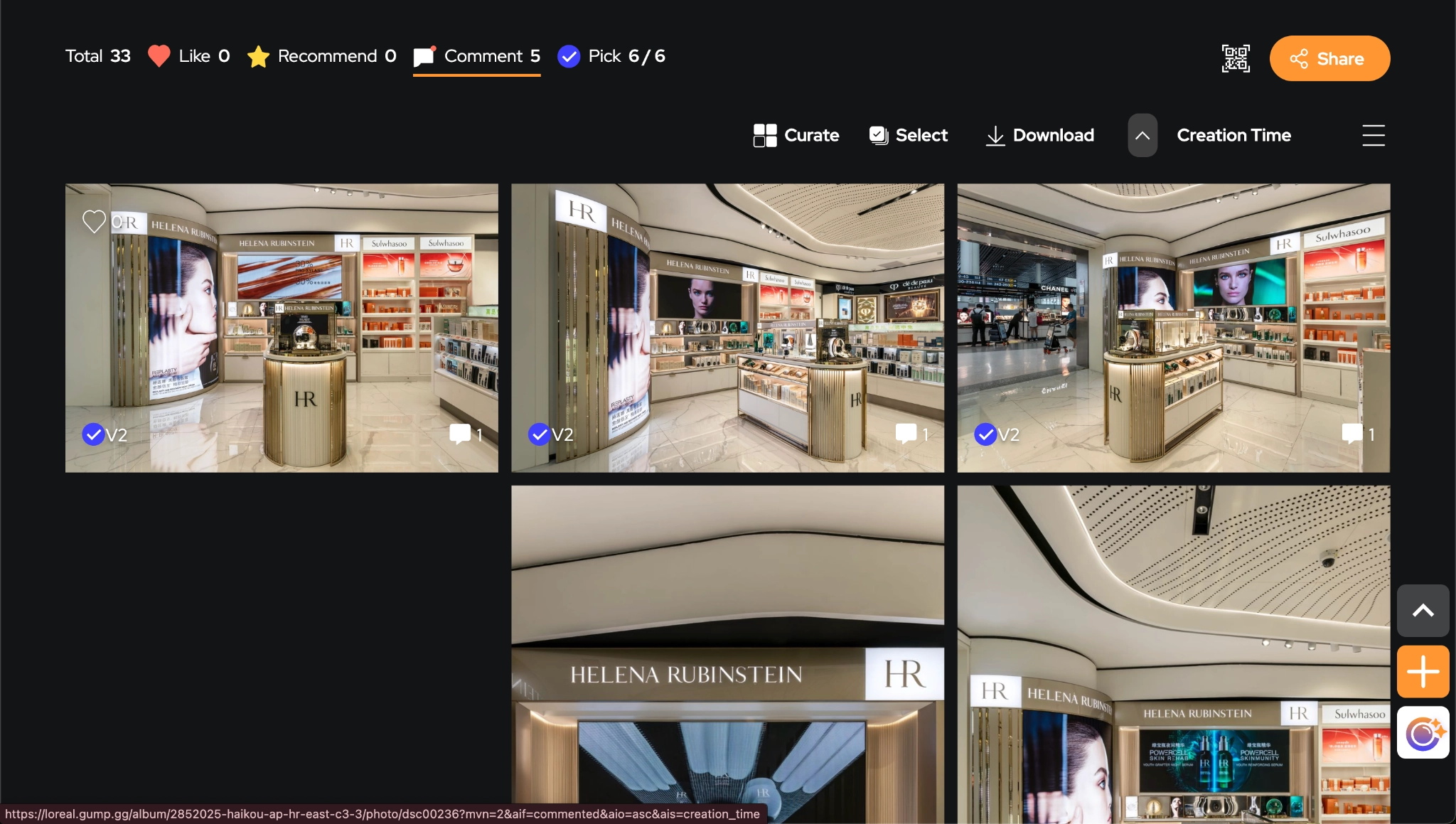
Platforms like Gump are built to solve exactly this challenge.
Instead of relying on scattered emails and messages, Gump gives photographers and teams one space to review, comment, select, and approve images efficiently.
With Gump, teams can:
Share private galleries securely
Let clients favorite selected images
Leave comments directly on photos
Use markup tools for clear edits
Keep revisions organized
Speed up approvals across remote teams
Use AI-powered search to find images faster
This turns collaboration into a smooth workflow rather than a stressful process.
The Business Impact of Better Collaboration
When feedback becomes clearer, businesses benefit in measurable ways.
Photographers can complete projects faster.
Agencies can handle more campaigns.
Brands can publish content sooner.
Clients feel more confident and are more likely to return for future projects.
Often, the biggest growth opportunity is not shooting more photos.
It is improving the workflow after the shoot.
The Future of Client Feedback
Clients no longer expect slow and confusing revision processes.
They expect speed, clarity, and convenience.
Photographers and creative teams who modernize their collaboration process will stand out immediately.
Because in the end, successful photography projects are not only about great images.
They are about how easily people can work together to choose, improve, approve, and launch those images.